
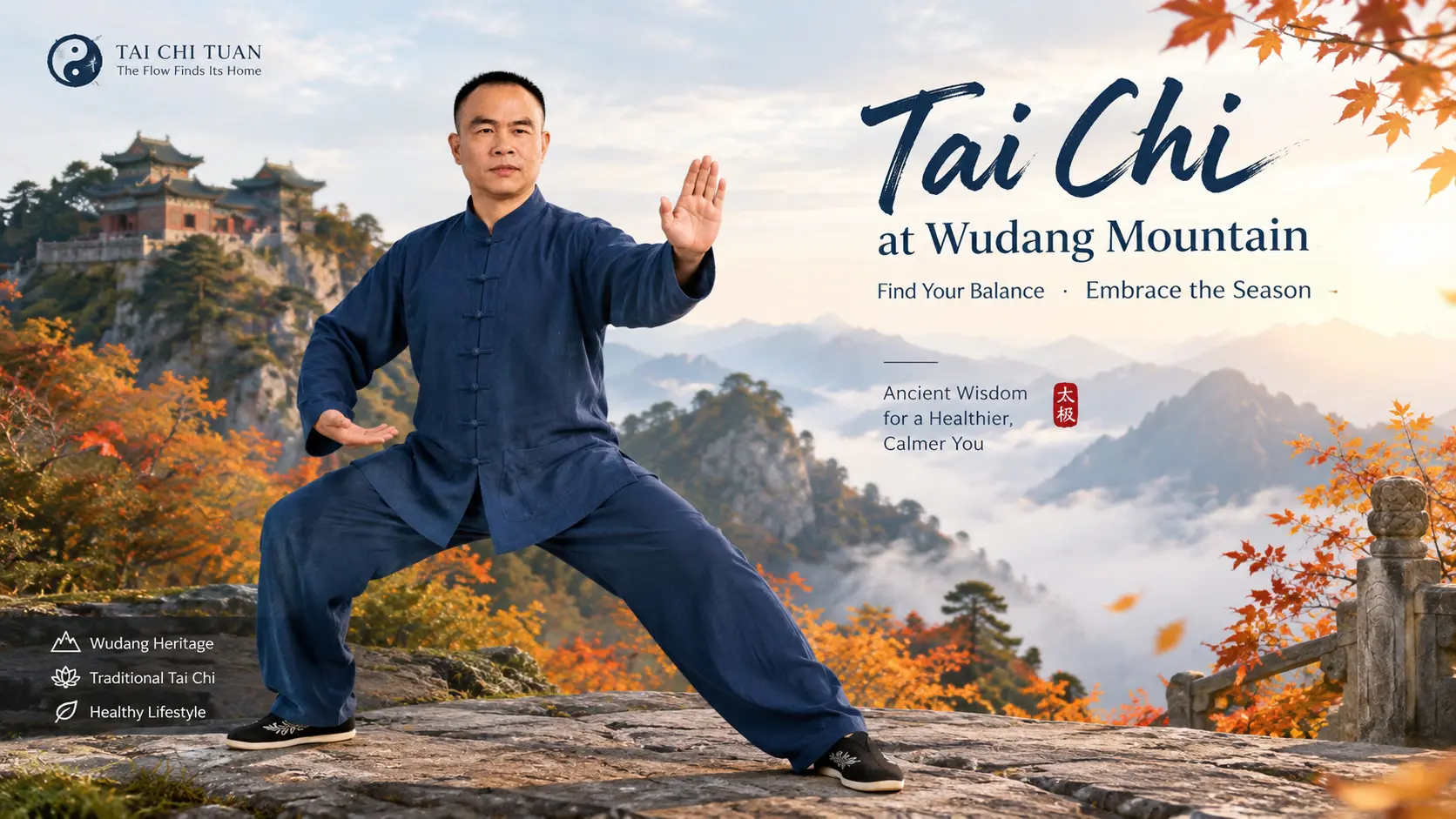
Tai Chi in Late Autumn: Essential Tips for Safe and Comfortable Practice
As late autumn arrives, cooler temperatures, stronger winds, and changing weather can make outdoor Tai Chi practice feel very different from summer training. The crisp air can create a peaceful atmosphere, but it also means that practitioners need to pay more attention to clothing, warm-up exercises, breathing, and post-training recovery.
For both beginners and experienced practitioners, late autumn is a wonderful season to continue Tai Chi training. With the right preparation, you can stay comfortable, maintain smooth movement, and enjoy the calm connection between body, breath, and mind.
1. Choose the Right Tai Chi Clothing
Clothing is one of the most important considerations when practicing Tai Chi in late autumn.
Unlike high-intensity sports, Tai Chi involves slow, continuous movements. You may not generate a large amount of heat at the beginning of a practice session, especially when the temperature is low. Wearing clothing that is too thin can make your muscles feel stiff, while clothing that is too heavy may restrict natural movement.
Layering Is a Practical Choice
Instead of wearing one very thick garment, consider using several lightweight layers. You can remove an outer layer as your body gradually warms up during practice.
- Base layer: Choose a breathable and comfortable layer that helps manage moisture.
- Tai Chi uniform: A loose-fitting Chinese Tai Chi clothing set allows the shoulders, waist, hips, and legs to move naturally.
- Outer layer: A lightweight jacket or warm-up layer can help protect against cold wind before and after training.
A good Tai Chi uniform should provide enough freedom of movement without being excessively loose or heavy. Traditional Chinese-style clothing can also provide a natural connection to the cultural heritage of Tai Chi while remaining practical for daily training.
2. Pay Attention to Your Hands, Feet, and Joints
In late autumn, the hands and feet can become cold quickly. Cold muscles and joints may feel less flexible, particularly during the first few minutes of practice.
Before beginning your Tai Chi form, spend extra time gently moving and warming your:
- Wrists and fingers
- Ankles and feet
- Knees
- Hips
- Shoulders
- Neck and upper back
The goal is not to perform aggressive stretching. Instead, use gentle, controlled movements to gradually prepare your body for Tai Chi.
3. Do Not Skip the Warm-Up
One of the most common mistakes in cooler weather is starting the Tai Chi form immediately after arriving at the training location.
When your body is cold, begin with several minutes of gentle preparation. You can walk slowly, rotate the shoulders, loosen the wrists and ankles, and perform controlled weight-shifting exercises.
A simple warm-up sequence may look like this:
- Walk slowly for 2–3 minutes.
- Relax and rotate the shoulders gently.
- Move the wrists, fingers, ankles, and knees.
- Practice gentle weight shifting from one leg to the other.
- Take several relaxed breaths.
- Begin your Tai Chi form at a slow and comfortable pace.
Allow your body to gradually transition from a resting state into practice rather than trying to create intensity immediately.
4. Choose the Right Time of Day
Many people enjoy practicing Tai Chi early in the morning, especially outdoors. However, late autumn mornings can be significantly colder than the afternoon.
If the temperature is particularly low, windy, or damp, consider moving your practice to a slightly warmer time of day.
For outdoor practice, pay attention to:
- Temperature
- Wind conditions
- Rain or moisture
- Ground conditions
- Sunlight and visibility
A peaceful park, garden, courtyard, or other quiet outdoor space can be excellent for Tai Chi, provided the ground is stable and not slippery.
5. Keep Your Movements Smooth and Comfortable
Tai Chi is based on continuous, coordinated movement rather than forcing the body into extreme positions.
During colder weather, avoid suddenly increasing the depth of your stance or pushing your joints beyond a comfortable range simply because you want a more demanding workout.
Instead, focus on:
- Relaxed shoulders
- Stable but comfortable posture
- Natural weight transfer
- Continuous movement
- Relaxed breathing
- Awareness of your body's feedback
For beginners, late autumn is a good time to concentrate on learning the basic structure of Tai Chi rather than focusing only on speed or physical intensity.
6. Pay Attention to Your Breathing
Cold and dry autumn air can make breathing feel different from warm summer conditions.
During Tai Chi practice, maintain relaxed and natural breathing. There is generally no need to deliberately hold your breath or force very deep inhalations.
Try to coordinate your breathing naturally with your movements while keeping the body relaxed. If the air feels particularly cold, windy, or uncomfortable, consider practicing indoors.
7. Protect Yourself From Cold Wind After Training
The end of your Tai Chi session is just as important as the beginning.
After practicing, your body may feel warm even though the surrounding air is cold. Avoid standing in a strong wind wearing only a light Tai Chi uniform.
Take a few minutes to slow down your movements and allow your breathing to return to normal. Then put on your outer layer and keep yourself comfortably warm.
Changing out of damp clothing after training is also a good habit, particularly on colder days.
8. Don't Forget Hydration
Because late autumn is cooler than summer, you may not feel as thirsty during exercise. However, Tai Chi practice still involves physical activity, especially during longer training sessions.
Bring water with you and drink according to your needs. Warm or room-temperature water may feel more comfortable than very cold drinks during cooler weather.
9. Adjust Your Training According to Your Condition
Every person's physical condition is different. Age, fitness level, previous training experience, sleep, weather, and daily energy levels can all affect how you feel during Tai Chi practice.
There is no need to force yourself to complete a long session simply because you followed the same routine during summer.
On colder days, you may choose a shorter practice session with more time spent on gentle warm-up and basic movements. On comfortable autumn days, you can gradually extend your practice.
The important principle is to maintain consistency while respecting your body's current condition.
10. Late Autumn Is a Beautiful Season for Tai Chi
Late autumn offers a unique environment for Tai Chi practice. Cooler air, changing leaves, quiet parks, and softer sunlight can create a peaceful atmosphere for mindful movement.
Instead of seeing colder weather as a reason to stop practicing, consider it an opportunity to adjust your routine and develop greater awareness of your body and surroundings.
Choose comfortable Chinese Tai Chi clothing, warm up properly, protect yourself from cold wind, maintain relaxed breathing, and allow your movements to remain natural and continuous.
Tai Chi is not simply about completing a sequence of movements. It is also about learning how to adapt—to your body, your environment, and the changing seasons.
Late Autumn Tai Chi Checklist
- ✓ Wear breathable, comfortable, layered clothing.
- ✓ Choose a loose-fitting Tai Chi uniform that allows natural movement.
- ✓ Warm up your joints and muscles before starting the form.
- ✓ Avoid practicing on slippery or wet surfaces.
- ✓ Protect yourself from strong cold wind.
- ✓ Keep your breathing relaxed and natural.
- ✓ Drink enough water during longer sessions.
- ✓ Adjust training intensity according to your physical condition.
- ✓ Put on an outer layer after training.
- ✓ Stay consistent, but never force your body.
Final Thoughts
Late autumn does not mean the end of outdoor Tai Chi practice. With thoughtful preparation and appropriate clothing, it can actually be one of the most enjoyable seasons for training.
Whether you are beginning your Tai Chi journey or have practiced for years, use this season to slow down, pay attention to your body, and enjoy the quiet rhythm of each movement.
Dress comfortably. Warm up patiently. Move naturally. Breathe calmly.
Let every Tai Chi session become a moment to reconnect with yourself and the changing season.